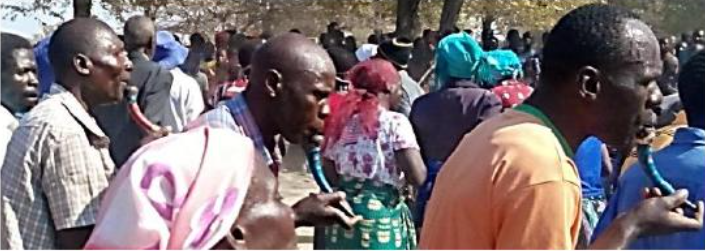
Our Creative Approach
At Chiyubunuzyo Arts & Culture Association (CACA), we believe that culture is not simply something to be preserved—it is a living resource that can inspire learning, creativity, community participation and positive social change.
Our creative approach places communities at the centre of the process. We work with cultural bearers, artists, young people, women, elders and community members to create spaces where knowledge, stories, skills and experiences can be shared across generations.
Through arts, storytelling, cultural practice and digital documentation, we connect heritage with contemporary community development while ensuring that local voices remain visible, respected and valued.
Community-Led & Participatory Approach
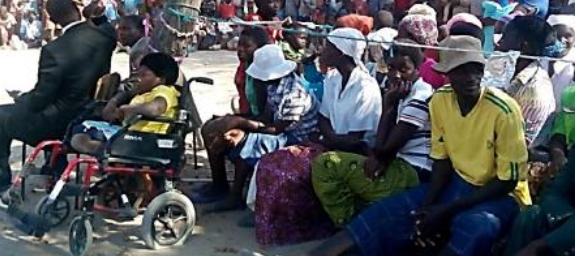
CACA believes that meaningful cultural work begins with listening to communities and recognising their knowledge, experiences and priorities.
We therefore encourage community members to actively participate in identifying challenges, sharing ideas, developing creative activities and shaping solutions. Rather than working for communities, we work with communities.
Our approach creates safe and inclusive spaces where cultural knowledge holders, artists, women, young people, elders and other community members can contribute their voices and talents.
Culture as a Living Resource
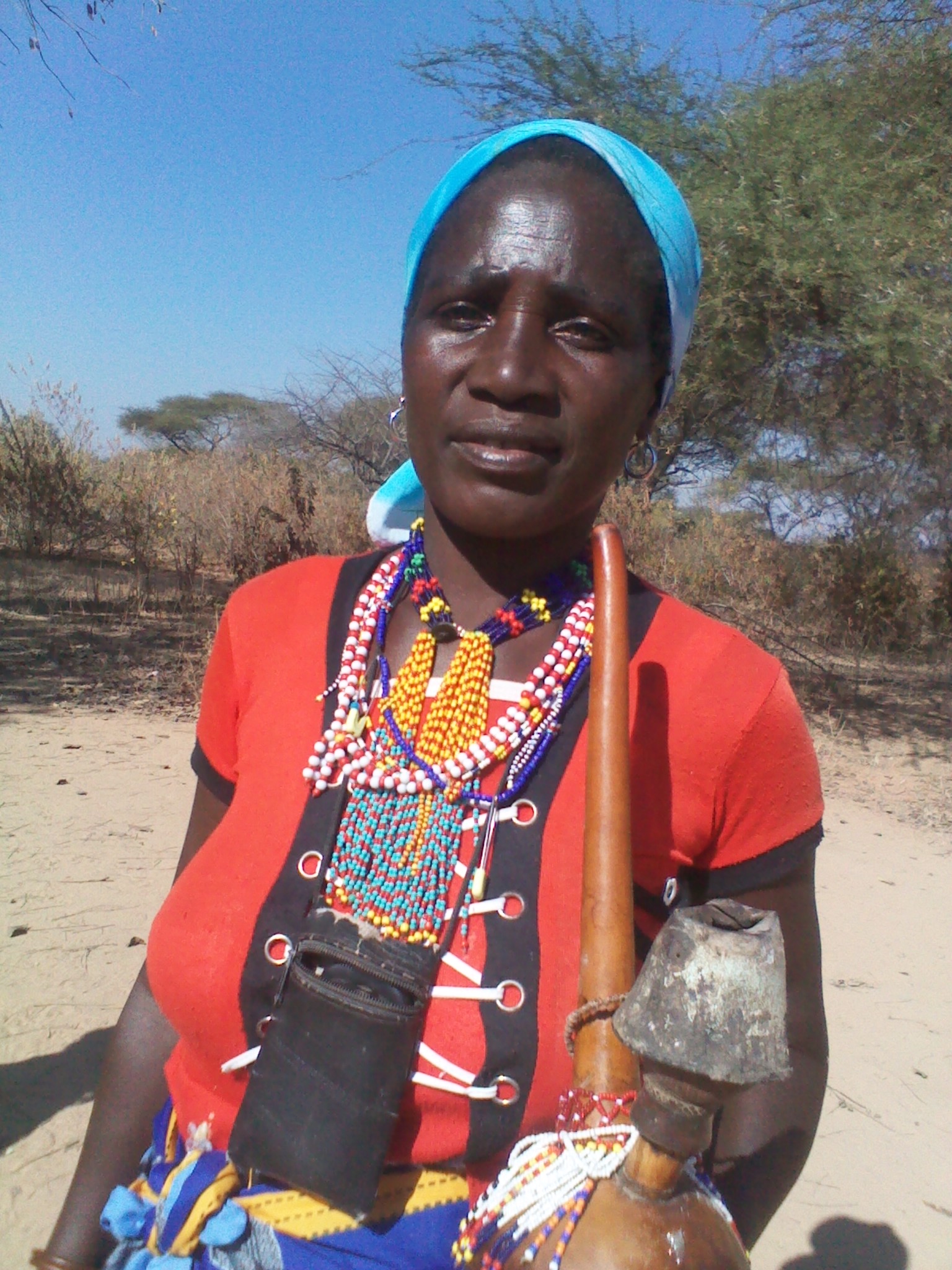
We view cultural heritage as a living and evolving resource that continues to shape identity, knowledge, relationships and community life.
CACA supports communities to keep cultural practices, stories, music, dance, traditional knowledge and creative expressions relevant to present and future generations.
By connecting traditional knowledge with contemporary creative practices, we help communities celebrate their heritage while exploring new opportunities for learning, creativity, livelihoods and social development.
Intergenerational Learning & Knowledge Exchange
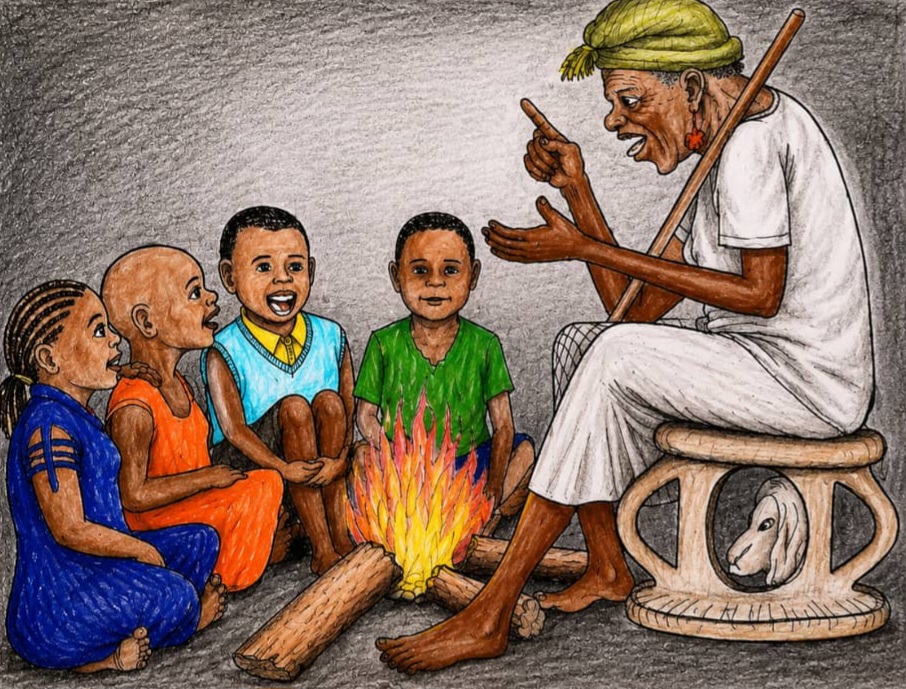
CACA creates opportunities for knowledge and experiences to move between generations.
Elders and cultural knowledge holders are encouraged to share stories, traditions, skills and lived experiences with younger generations, while young people contribute new ideas, creativity and digital skills.
Through workshops, storytelling, cultural performances, creative activities and community dialogue, we strengthen connections between generations and support the continued transmission of cultural knowledge.
Creative Inclusion & Expression
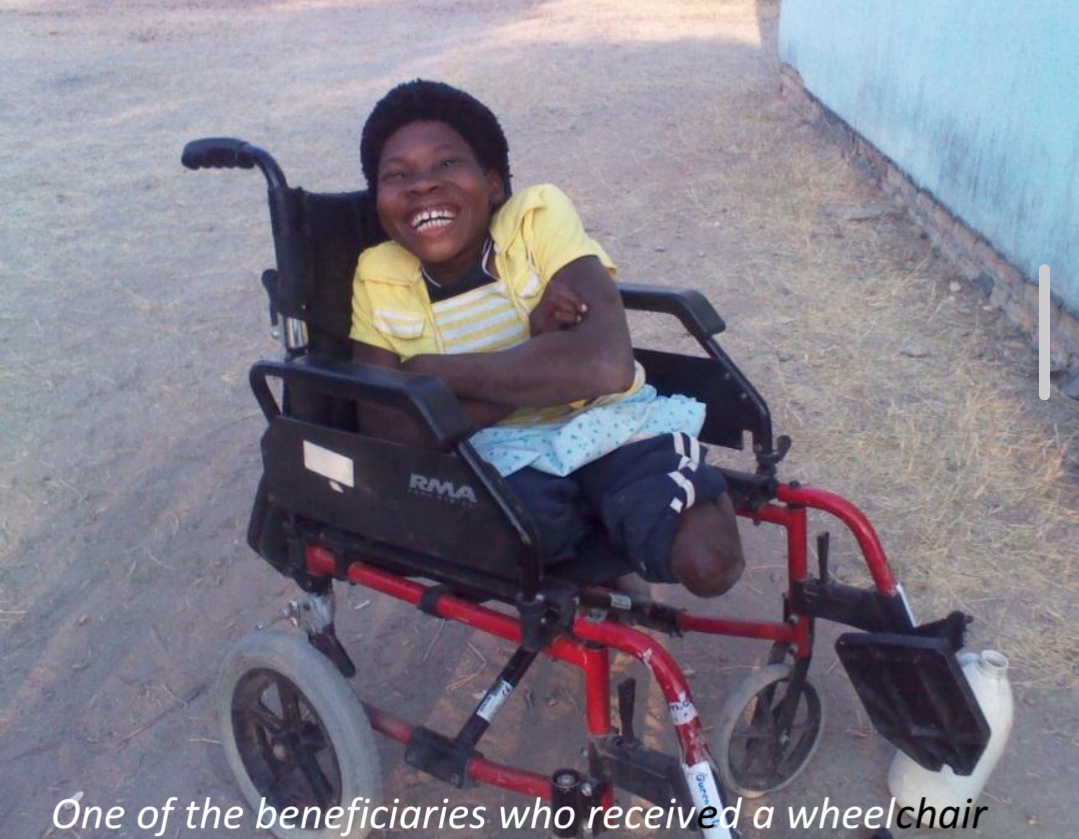
We use creative expression as a way of bringing people together, encouraging dialogue and ensuring that different voices can be heard.
Our activities use music, dance, visual arts, storytelling, theatre, crafts and other forms of creative expression to encourage participation and learning.
We seek to create inclusive opportunities for women, young people, elders, persons with disabilities and other community members, recognising that everyone has the potential to contribute to cultural life and community development.
Digital Documentation & Cultural Preservation
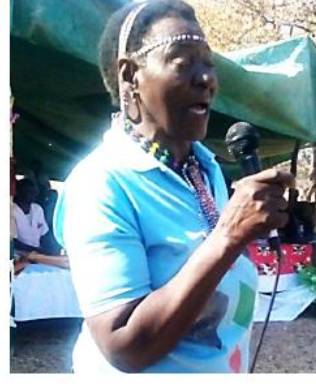
Protecting living cultural knowledge
CACA combines community-based cultural practice with digital documentation to help safeguard cultural knowledge for future generations.
We document stories, oral histories, traditional practices, music, dance, creative processes and community experiences through photography, audio, video and other appropriate digital tools.
Where appropriate, communities and cultural knowledge holders are involved in deciding what should be documented, how it should be represented and how it can be shared responsibly.
Digital documentation allows local cultural knowledge to reach wider audiences while supporting education, research, cultural awareness and long-term heritage preservation.
Our Commitment
Our creative approach is grounded in respect, participation, inclusion and cultural ownership.
CACA is committed to creating opportunities where communities can celebrate their heritage, share knowledge, develop creative skills and use culture as a pathway towards learning, empowerment and sustainable community development.
We believe that when communities have the opportunity to tell their own stories and actively shape their cultural future, heritage becomes not only something to preserve, but a powerful resource for building stronger and more connected communities.